
Much of rural Scotland – the Highlands, the islands, the Borders – does not have access to the gas grid. Because of the way energy is priced in the UK, it is much more expensive to heat your home with electricity than gas.
These areas have an elderly population, a great many of whom face a shivery winter. All the colder now, because of the Labour government’s withdrawal of the winter fuel allowance, except for the small minority entitled to pension credit.
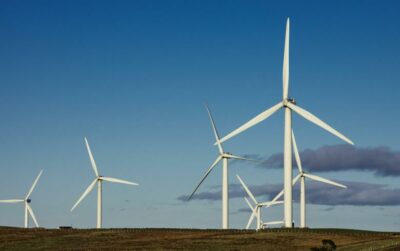
These chilly old folk will be able to wipe their misted windows with their freezing, gloved hands and see the wind turbines that are regularly paid millions to turn off their power; the oil rigs that never supported a sovereign wealth fund; or the landbanked sites where hydro schemes are not being built, because of UK authorities’ ineptitude and neglect of Scotland’ interests.
Asking Holyrood to find money from its limited budget to mitigate the loss of winter fuel payments just underlines the limit of Scotland’s autonomy. It is being asked to pay the piper but it can’t call the tune.
Scotland should be able to charge a lower tariff for electricity than England
Greg Jackson, the Chief Executive Officer of Octopus Energy made the headlines when he told Laura Kuenssberg on the BBC’s Sunday morning programme: “If we had regional pricing in the UK for electricity, every region would be cheaper than it is now. Scotland would have the cheapest electricity in Europe.”
Many countries including the US, New Zealand and Italy moved to regional or locational pricing years ago. That means energy is cheaper closer to where it is produced.
Offering lower-priced energy close to where it is made compensates local people for the disruption and environmental blight they may suffer. It also means these areas can attract businesses that could become part of a local heating networks – for example data centres.
These powerful price signals attract business investment and innovation. Instead of being wasted, the energy is turned into cheaper products that can be sold at a competitive price on international markets.
Small independent countries and US states are able to control their own energy price and regulation
Unlike Scotland which can do nothing about how the renewable energy it produces is regulated or priced, US states control their own power. In California, the state regulators have introduced a dynamic pricing structure that makes electricity cheaper at times when a lot of renewable electricity is flowing onto the grid – which encourages innovative business people to think of ways to make use of it. One example of innovation is using this to smelt magnesium.
As an independent country, Iceland has been able to offer access to cheap, renewable power. Their citizens pay just 4% of their incomes on heating their homes. Low price energy has also boosted the economy – which grows much faster than the UK. American aluminium smelters have moved there to take advantage of this. In contrast, Scotland retains one aluminium smelter which has survived only because of a legacy of hydropower created a century ago.
Iceland is making strides in the use of geothermal energy. But hydropower provides 70% of its electricity. That offers another contrast with Scotland. Scotland was once a world leader in hydropower – but the UK government has for years refused to set the market conditions that are necessary to allow modern pumped storage hydro stations to be built in Scotland.
The UK government has failed to support Scotland’s renewable energy initiatives
Many other European countries have publicly owned energy companies. The UK has long ago taken Scotland down the route of privatising publicly owned infrastructure like the National Grid and the Gas Transmission Network. These sell-offs were orchestrated by governments Scotland actively voted against. The Scottish people did not consent to them.
One consequence of the privatisation is, if you don’t have a public energy company (and GB Energy is a minnow), you are dependent on the private sector to build the stuff you need – but they cannot legally do that without the appropriate market framework.
The Scottish Government has given planning permission for several modern pumped hydro plants. But these won’t be built unless the UK government provides those market guarantees, called cap and floor prices. The UK government has been dragging its feet on this.
It is the same with the offshore wind permissions that the Scottish government in association with the Crown handed out. Only a fraction will ever be built because the National Grid can’t take them. The National Grid is weak. It has been starved of investment for decades and is still configured around coal-fired power stations that no longer exist. Because it has no spare capacity, it regularly pays millions to turn off the power from Scottish wind turbines and refuses permission for others to be built.
At the same time, the Electricty System Operator pays a higher price to import energy from France, Norway, and Denmark through interconnectors. While dragging their feet about setting contracts for hydro in Scotland, the UK government has provided very lucrative ones for the interconnector companies to allow those to be built. These now make large profits for National Grid’s private shareholders.
The UK will not allow Scotland to make the most of its energy potential
Vested interests in the south of England actively lobby against allowing Scotland to set lower energy prices. And what would be the political benefit to a UK party of allowing energy to be cheaper in Orkney than it is in Oxford, or in the Highlands than it is in Highbury?
The Labour government’s removal of winter fuel payments from Scotland’s pensioners is not fair. These elderly people live in a country which already produces huge amounts of renewable energy – and could produce much more – yet they pay the highest bills in Europe. They are higher even than in England, because standing charges are higher, it is colder and much of the country is not connected to the gas network.
Did Rachel Reeves know or care about the special circumstances affecting Scottish pensioners when she withdrew the winter heating allowance? Almost certainly not.
Does the UK government or its various London-centred energy authorities know or care whether Scotland fulfils its potential as a renewable energy powerhouse? That is unlikely to be one of the metrics they look at.
Energy is a clear example of how Scotland is being held back by being part of the UK. The price of Union is an energy policy set in the south of England which means Scotland’s potential as a renewable energy powerhouse is being squandered.
First published on the author’s A Letter from Scotland Substack
Leave a Reply