
Scottish history
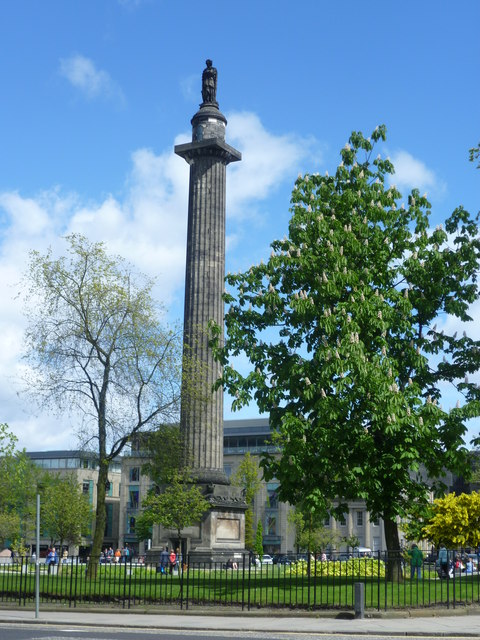
Flawed plan to ‘explain and retain’ controversial statues
“There are, though, exciting ways that monuments could be used to throw light on the events of the past. They hold the possibility of being key objects for understanding the writing of history itself, and…
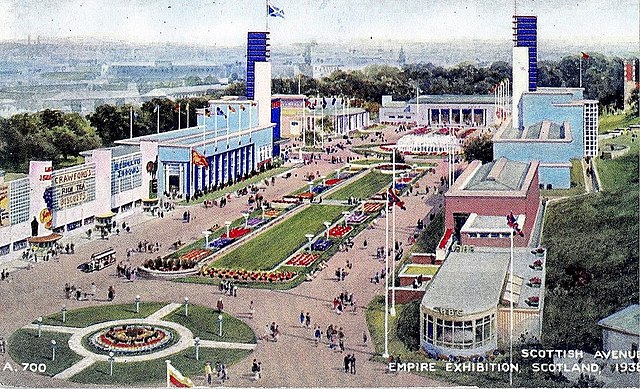
Scotland must lead in confronting its imperial past
‘A speech by the First Minister acknowledging Scotland’s role would be useful; a fund to promote research on Scotland and the empire, including a virtual museum, would be even better….As Scotland struggles with new questions…
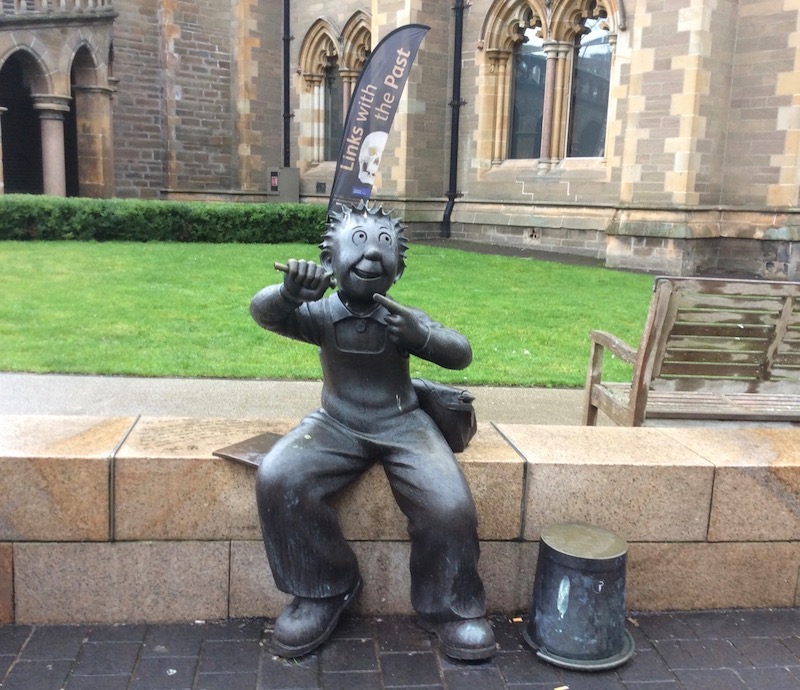
The paywall keeping the public out of history
“At a time when digital resources are a godsend, the general public cannot engage with Census data to advance their own historical interests. Of greater significance perhaps are questions such as: How can the histories…
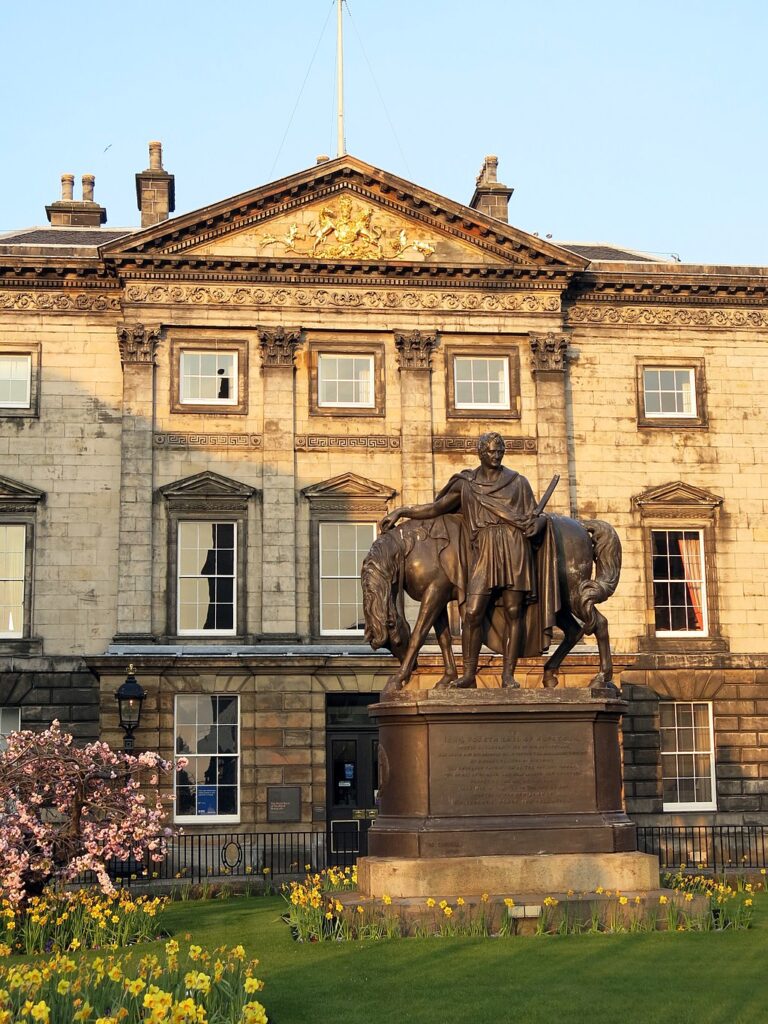
Monumental follies 1
‘…our statue problems in Scotland are surely puny; our current outrage a mite self-indulgent and synthetic, though the emblematic validity of our public monuments should indeed be critically scrutinised from time to time.’ Pt 1…
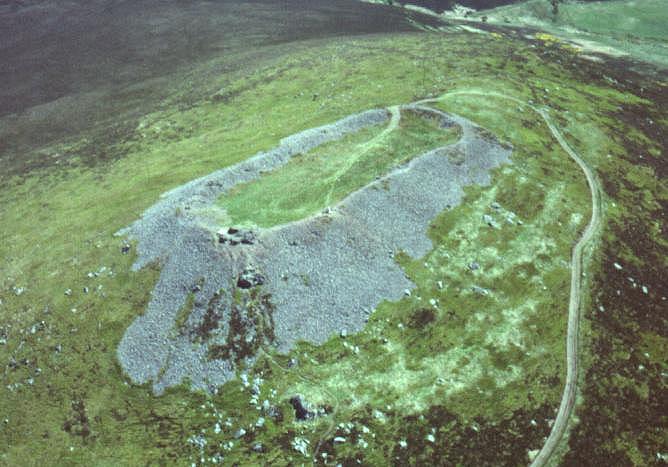
Scotland’s largest Pictish settlement
We discovered (Tao O’Noth) had once contained 800 dwelling platforms – housing as many as 4,000 people – and if they all date to the same period this would stand as almost urban-scale settlement, which…
Truth about Culloden hidden for 300 years
“Culloden was the final significant defeat of a Scottish alternative to the British state. The irony is that a federal British Isles under a single crown, which had existed between 1603 and 1707 and is…